
Funworld Bangalore
February 5, 2026
Top 10 Largest Parks Across Asia Worth Exploring at Least Once
Excited to explore the top 10 largest parks in Asia? Read this guide to find iconic parks you should visit, with key highlights and what makes each unique.
Does travel ever feel like it’s lost its magic? Crowded viewpoints, tight schedules, and the constant sense that you’re moving on before you’ve had time to feel a place. When every destination starts to look the same, what’s usually missing isn’t excitement, it’s space.
That’s where Asia’s largest parks come in. These are places big enough to slow you down without trying. Big enough that you don’t have to compete for quiet, scenery, or time. Some stretch across vast, untouched landscapes; others sit near major cities yet feel worlds away. Step inside, and the noise, both around you and in your head, begins to fade.
This guide explores the 10 largest parks across Asia, where they are, how massive they truly are, and why experiencing even one of them can change the way you travel.
.jpeg&w=1920&q=75)
FUN5 - Buy 3 GET 2 FREE!

Adult Ticket - Fun World Bengaluru

Fun Wednesday – Buy 1 Get 1 Free Tickets
At a Glance
- Asia’s largest parks are defined by scale, diversity, and purpose, protecting entire ecosystems rather than offering simple recreational space.
- The parks covered span plateaus, rainforests, mountains, deserts, wetlands, and glaciers, showing how size enables long-term ecological balance.
- This guide covers Qiangtang National Nature Reserve, Sanjiangyuan National Park, Great Himalayan National Park, Namdapha National Park, Taman Negara, Khao Sok National Park, Sagarmatha National Park, Uvs Nuur Basin, Gunung Mulu National Park, and Lorentz National Park.
- While most of these parks are remote and conservation-focused, some allow regulated tourism, trekking, and cultural interaction without damaging fragile environments.
- Large-scale experiences aren’t limited to remote travel; well-planned urban destinations like Fun World Bangalore apply the same idea of variety and pacing within a city setting.
The Top 10 Largest National Parks Across Asia
Asia’s largest national parks protect landscapes so vast that they function like worlds of their own. These spaces safeguard rivers, forests, mountains, and wildlife across huge distances, often with very limited human access. What makes them special isn’t just their size, but how completely they preserve nature at scale.
Below are some of the most expansive and fascinating national parks across Asia, each offering a very different kind of landscape and experience.
Also Read: Fun World Amusement Park Reviews (2026): Rides, Attractions, & More
1. Qiangtang National Nature Reserve – China
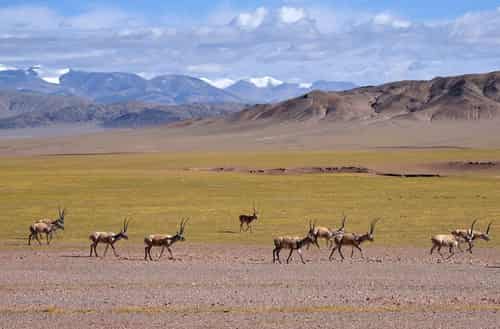
- Area: ~298,000 sq km
- Region: Tibetan Plateau, northern Tibet
- Landscape: High-altitude grasslands, frozen lakes, cold deserts
- Main attractions:
- Vast open plains with almost no human settlements
- Seasonal migration routes are visible across the plateau
- Wildlife you can witness:
- Tibetan antelope (chiru)
- Wild yak
- Kiang (Tibetan wild ass)
- Snow leopard (very rare sightings)
- Why it stands out: One of the least disturbed natural regions in Asia due to its extreme climate and remoteness
Qiangtang is one of the largest protected areas in the world. Located in northern Tibet, it safeguards vast high-altitude grasslands and cold desert ecosystems. The reserve is home to Tibetan antelope, wild yaks, snow leopards, and migratory bird species.
Its remoteness and extreme climate mean human access is minimal, which has helped preserve one of Asia’s least disturbed landscapes.
Not every escape has to involve remote travel. Even within cities, thoughtfully designed parks can offer that same sense of variety and breathing room in a more accessible way. Ready for local thrills while planning big trips? Book Fun World tickets – 90+ rides await.
2. Sanjiangyuan National Park – China
sourcelink
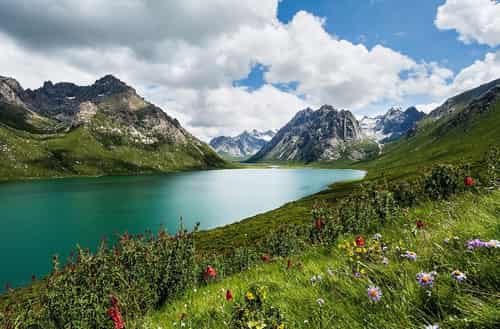
Area: ~123,100 sq km
- Region: Qinghai Province
- Landscape: Alpine meadows, wetlands, glaciers, river headwaters
- Main attractions:
- Source region of the Yangtze, Yellow River, and Mekong
- Wide open grasslands dotted with lakes and grazing zones
- Wildlife you can witness:
- Snow leopard
- Tibetan gazelle
- Wild yak
- Black-necked crane
- Why it stands out: Often called the “Water Tower of Asia” because it supports water systems across multiple countries
Often called the “Water Tower of Asia,” Sanjiangyuan is the source of three major rivers: the Yangtze, Yellow River, and Mekong. The park plays a critical role in water security for millions of people across Asia.
It protects alpine meadows, wetlands, and glaciers, while also supporting snow leopards, Tibetan gazelles, and unique high-altitude wildlife.
Also Read: Complete Guide to Amusement Park Experiences
3. Great Himalayan National Park – India
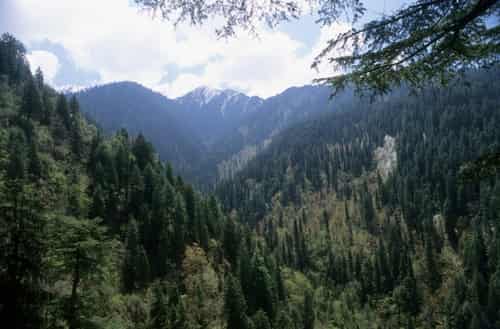
- Area: ~1,171 sq km
- Region: Himachal Pradesh
- Landscape: Alpine forests, mountain valleys, glaciers, rivers
- Main attractions:
- UNESCO World Heritage Site
- Well-marked trekking routes through remote Himalayan terrain
- Wildlife you can witness:
- Himalayan brown bear
- Blue sheep (bharal)
- Snow leopard (rare)
- Western tragopan (state bird of Himachal Pradesh)
- Why it stands out: One of the few large Asian parks that balances strict conservation with guided visitor access.
A UNESCO World Heritage Site, this park protects fragile Himalayan ecosystems ranging from alpine forests to glacial terrain. It’s known for its rich biodiversity, including Himalayan brown bears, blue sheep, and rare bird species.
Unlike massive plateau reserves, this park is more accessible and supports regulated trekking and eco-tourism.
4. Namdapha National Park – India
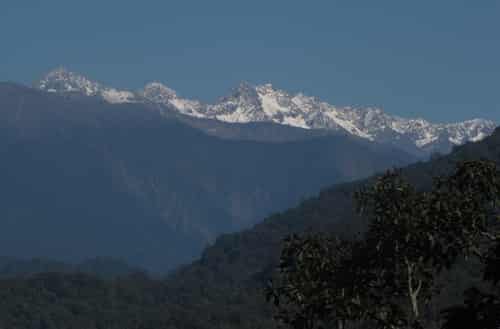
- Area: ~1,985 sq km
- Region: Arunachal Pradesh
- Landscape: Tropical rainforests to snow-covered mountains
- Main attractions:
- Dense forest trails and river systems like the Noa-Dihing
- Extremely high plant and bird diversity
- Wildlife you can witness:
- Tiger
- Leopard
- Snow leopard
- Clouded leopard
- Hoolock gibbon
- Why it stands out: One of the only places in the world where four big cat species exist within the same park.
Namdapha is India’s easternmost large national park and one of the most biodiverse. It spans tropical rainforests to snow-covered mountains and is one of the few places where four big cat species, tiger, leopard, snow leopard, and clouded leopard, are found.
Its size and elevation range make it ecologically unique within South Asia.
5. Taman Negara National Park – Malaysia
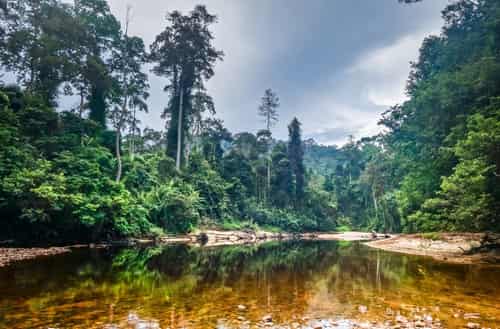
- Area: ~4,343 sq km
- Region: Peninsular Malaysia
- Landscape: Dense tropical rainforest, rivers, hills
- Main attractions:
- One of the world’s oldest rainforests (over 130 million years)
- Famous canopy walkway above the forest floor
- Wildlife you can witness:
- Malayan tiger
- Asian elephant
- Malayan tapir
- Hornbills and tropical bird species
- Why it stands out: Combines ancient rainforest conservation with well-managed visitor experiences.
One of the world’s oldest rainforests, Taman Negara is estimated to be over 130 million years old. It protects dense tropical forest ecosystems and supports elephants, Malayan tigers, and countless plant species.
Despite its size, it offers managed tourism, including canopy walks and river trails.
Can't trek rainforests tomorrow? Experience Fun World's canopy-like thrills at Big Swing Tower. Book now for a nearby city adventure on Jayamahal Main Rd.
6. Khao Sok National Park – Thailand
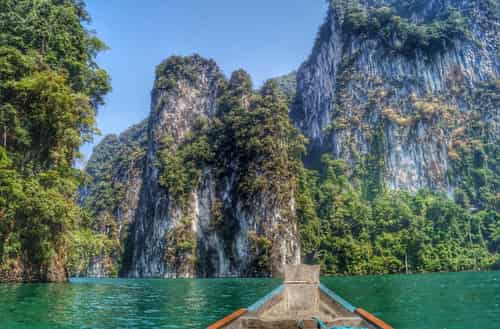
- Area: ~739 sq km
- Region: Southern Thailand
- Landscape: Ancient rainforest, limestone cliffs, lakes, dense jungle
- Main attractions:
- Cheow Lan Lake with floating raft houses
- Towering limestone karst formations rising straight from the water
- Jungle trails through one of the oldest rainforests on Earth
- Wildlife you can witness:
- Asian elephant
- Gibbons
- Malayan sun bear
- Hornbills and tropical birdlife
- Why it stands out: Despite being smaller than many parks on this list, Khao Sok packs extreme landscape variety into a compact area and is one of Southeast Asia’s best examples of conservation that still allows visitors to experience nature closely
Khao Sok combines ancient rainforest, limestone cliffs, and large reservoirs. Though smaller than other parks on this list, it’s included for its ecological density and landscape diversity.
It’s a strong example of how large protected parks in Asia balance conservation with responsible tourism.
7. Sagarmatha National Park – Nepal
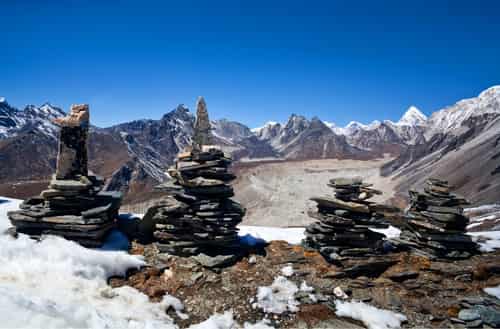
- Area: ~1,148 sq km
- Region: Everest (Khumbu) region
- Landscape: High Himalayan peaks, glaciers, deep valleys, alpine forests
- Main attractions:
- Mount Everest and surrounding peaks
- Trekking routes to Everest Base Camp
- Traditional Sherpa villages and monasteries
- Wildlife you can witness:
- Snow leopard
- Himalayan tahr
- Musk deer
- Himalayan monal (Nepal’s national bird)
- Why it stands out: Few parks in the world protect both dramatic mountain landscapes and living cultural communities, making Sagarmatha as much about people as it is about peaks
Home to Mount Everest, this park protects high-altitude Himalayan terrain and Sherpa cultural landscapes. While famous globally, its size and ecological importance are often overlooked.
It combines conservation with human habitation, making it a unique model among Asia’s largest parks.
8. Uvs Nuur Basin – Mongolia / Russia
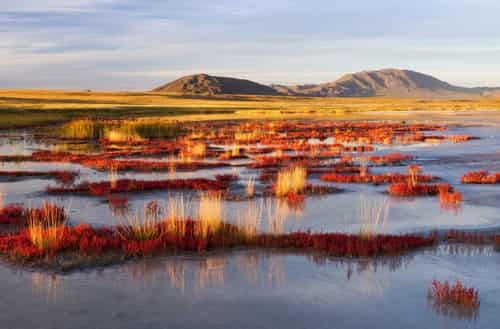
- Area: 10,000+ sq km (combined protected zones)
- Region: Northern Mongolia & southern Siberia
- Landscape: Deserts, steppes, tundra, wetlands, alpine forests
- Main attractions:
- Uvs Lake, one of Central Asia’s largest saltwater lakes
- Vast open plains with almost no modern development
- Wildlife you can witness:
- Snow leopard
- Argali wild sheep
- Migratory water birds
- Steppe and desert species rarely seen together
- Why it stands out: This is one of the few places on Earth where drastically different landscapes exist side by side, allowing entire natural systems to function with minimal human impact
The Uvs Nuur Basin is a UNESCO-listed transboundary protected area spanning Mongolia and Russia. What makes it remarkable is the sheer diversity of ecosystems packed into a massive area, deserts, steppes, tundra, wetlands, and alpine forests all coexist here.
This scale allows the basin to support migratory birds, rare mammals like snow leopards, and entire ecological systems that function almost untouched. It’s a powerful example of how size enables long-term ecological balance.
9. Gunung Mulu National Park – Malaysia
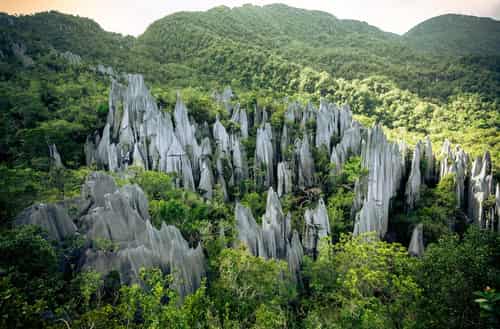
- Area: ~544 sq km
- Region: Sarawak, Borneo
- Landscape: Limestone mountains, caves, rainforest, underground rivers
- Main attractions:
- Deer Cave and Clearwater Cave, among the world’s largest cave systems
- Sharp limestone pinnacles rising above dense jungle
- Elevated boardwalks through rainforest interiors
- Wildlife you can witness:
- Bats in massive evening cave exits
- Tropical birds
- Rare rainforest plant species
- Why it stands out: Gunung Mulu protects both what you see above ground and what lies beneath it, making it one of Asia’s most visually dramatic parks despite its smaller surface area.
While smaller than plateau reserves, Gunung Mulu earns its place among Asia’s largest and most important parks due to its vertical scale. It protects massive limestone karst formations, deep caves, and dense rainforest ecosystems.
The park contains some of the world’s largest cave chambers and longest cave systems. Its protected size ensures underground and surface ecosystems remain connected, which is rare even in large parks.
10. Lorentz National Park – Indonesia
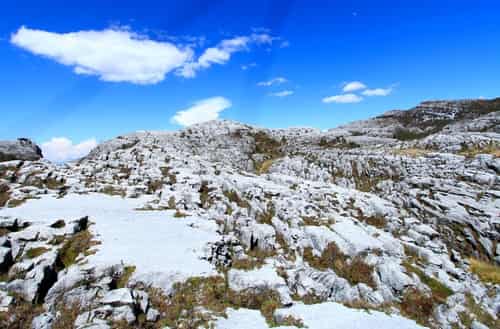
- Area: ~25,000 sq km
- Region: Papua Province
- Landscape: Coastal wetlands, tropical rainforest, mountains, glaciers
- Main attractions:
- One of the few places where glaciers exist near the equator
- Entire elevation range from sea level to alpine peaks
- Wildlife you can witness:
- Tree kangaroos
- Birds of paradise
- Crocodiles in lowland wetlands
- Why it stands out: Lorentz is the largest protected park in Southeast Asia and one of the only parks on Earth where multiple climate zones exist within a single boundary.
Lorentz National Park is the largest protected area in Southeast Asia and one of the most ecologically complete parks in the world. It stretches from tropical coastal wetlands all the way to glaciers near the equator, a phenomenon found almost nowhere else.
The park protects vast rainforests, alpine tundra, and indigenous cultural landscapes. Its size allows entire climate zones to exist within a single protected boundary, making it globally significant for conservation research.
Parks like Lorentz show how rare it is to experience multiple climates in one place. On a much smaller scale, some city attractions like Fun World Amusement Park apply the same idea by bringing contrasting environments together under one roof. Book your tickets in advance.
Large-Scale Recreation Within Bangalore
Asia’s largest parks show how space and variety shape better experiences. In cities, the same idea applies in a different way: people look for destinations that offer range, room to move, and choice, without the need for long travel or multi-day planning.
This is where large-format urban recreation parks come in.
Fun World Amusement Park brings the idea of “scale” into the city by concentrating multiple experiences within one accessible campus. Instead of size measured in kilometres, it delivers scale through variety and pacing.
What makes Fun World comparable in experience to much larger parks:
- Distinct zones in one campus:
Amusement rides, a dedicated water park, Snow City (indoor snow experience), and Aquarium Paradise (walk-through underwater tunnel) all operate within the same location. - Clear ride segmentation:
Beginner-friendly rides (Mini Train, Mini MGR, Appu Haathi), family rides, and high-adrenaline attractions are separated, so visitors can choose experiences based on comfort and energy level. - All-day flexibility:
Visitors can move between dry rides, water attractions, and indoor zones without leaving the park, allowing natural breaks and better crowd flow. - Weather and time resilience:
Indoor attractions ensure the visit isn’t dependent on the weather, making it suitable even during monsoon or peak summer months. - City accessibility:
Centrally located in Bangalore with on-site facilities like lockers, food counters, seating areas, and first aid, reducing planning friction for longer visits.
This makes it a practical option for visitors who appreciate the idea behind large parks but need something that fits into everyday city life.
Conclusion
Asia’s largest parks show how space changes the way we slow down, explore, and disconnect, whether it’s glaciers in Papua, wetlands in Mongolia, or forests across the Himalayas. Their scale allows nature and experience to exist without rush or pressure.
But long travel isn’t always practical. That’s why large-format recreational parks within cities matter just as much. They deliver variety, open movement, and full-day experiences without the need for flights or long drives.
If you’re in Bangalore and want that sense of space without leaving the city, Fun World Amusement Park offers multiple zones in one campus, from amusement rides and water attractions to Snow City and Aquarium Paradise. Book your tickets online in advance to plan your visit smoothly and avoid entry queues.
FAQs
1. Which is the largest national park in Asia, and can tourists visit it?
Lorentz National Park in Indonesia (25,000 sq km) is Asia's largest, but tourist access is limited to guided treks due to remoteness and conservation rules. Permits required.
2. Which Asian countries have the most national parks?
China leads (250+), followed by India (100+), Thailand, and Malaysia. Larger parks like Qiangtang (China) and Namdapha (India) dominate scale rankings.
3. What is the best time to visit Asia's national parks?
Dry season (Oct–Apr) for most; avoid monsoons (Jun–Sep). Sagarmatha (Nepal) peaks pre-monsoon (Mar–May) for Everest views. Check park-specific advisories.
4. Do I need permits or guides for Asia's largest parks?
Yes, Qiangtang/Sanjiangyuan requires Chinese permits/guides; Sagarmatha needs Nepal trekking permits. Always book via official operators.
5. Are large Asian parks suitable for families/kids?
Remote ones like Qiangtang are rugged (not kid-friendly); Taman Negara/Khao Sok offer family trails. Urban alternatives like Fun World's kid rides suit beginners.
More To Read

CORPORATE| July 27, 2024
Places to Visit Near Bangalore Within 50 Kms
Explore the best places to visit within 50 kms of Bangalore! Perfect for short trips, find scenic spots and local attractions just a quick drive away.
CORPORATE| July 27, 2024
Places to Visit Near Bangalore for 2 Days
Escape the city for a weekend! Discover the best places to visit near Bangalore for 2 days, with exciting activities and relaxing retreats.

CORPORATE| October 26, 2024
Dress Code for Funworld BLR: Safety and Hygiene!
At FunworldBLR, your safety and hygiene are our top priorities. To ensure an enjoyable experience for everyone, we follow internationally accepted standards for our dress code. Here’s everything you need to know before you visit!
CORPORATE| July 20, 2024
Amusement Parks in Bangalore – Top Attractions to Visit
Explore the top amusement parks in Bangalore! Discover thrilling rides, fun activities, and must-visit attractions for a day filled with excitement and joy.