
Funworld Bangalore
March 31, 2026
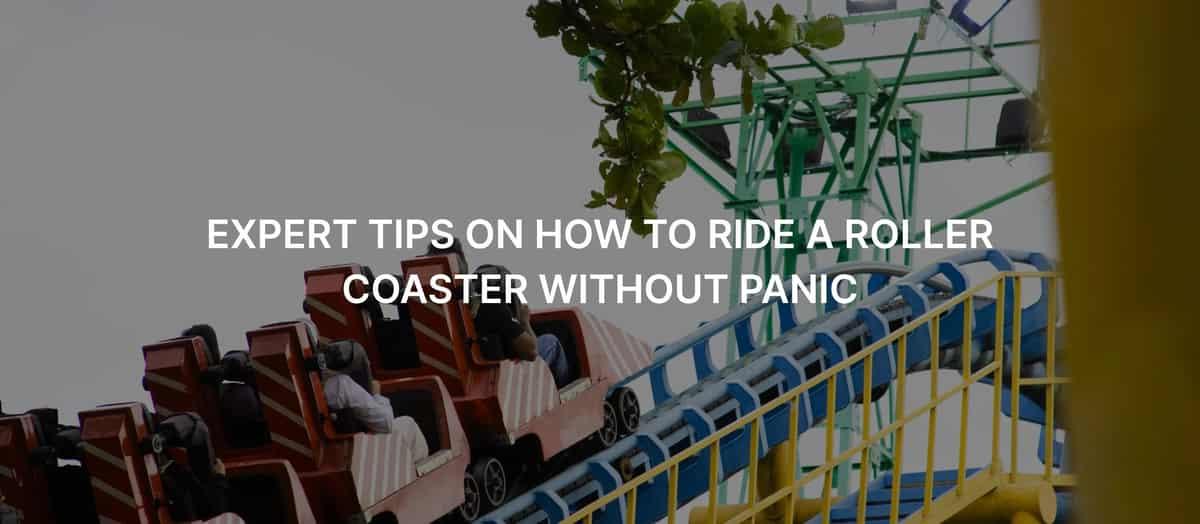
Expert Tips on How to Ride a Roller Coaster Without Panic
Wondering how to ride a roller coaster comfortably? Follow simple yet practical tips on safety, seat choice, posture, and mindset to enjoy every drop and turn.
You’ve probably seen it happen. A roller coaster thunders past, people screaming, hands in the air, and it instantly grabs your attention. For some, it’s pure excitement. For others, it’s that mix of curiosity and hesitation. You might be thinking about how safe it is, where to sit, what to do during the sharp drops, or simply how to make sure the ride feels fun rather than overwhelming.
That’s where most guides don’t really help. They tell you roller coasters are thrilling, but skip the part that actually matters. That is, how to ride a roller coaster in a way that feels comfortable, controlled, and genuinely enjoyable, especially if it’s your first time.
This guide keeps things clear and practical. You’ll know what to do before you get on, how to handle those fast turns and drops, and how to stay relaxed through it all. In the process, you'll also know how to make the most of it without overthinking every turn.
Quick Glance
- Your body position controls your experience more than the ride itself. Sitting properly, keeping your head supported, and staying relaxed can turn a “scary” ride into a smooth, enjoyable one.
- Seeing and anticipating the track instantly reduces fear. Keeping your eyes open and reading the road ahead helps your body adjust naturally, making turns and stops feel less sudden.
- Seat choice and timing can subtly change ride intensity. Front vs. back row, crowded vs. light days, and even the time of day can make the same roller coaster feel very different.
- Confidence comes from familiarity, not courage alone. Start small or go straight to the most thrilling coaster (both work), but repeat the experience to help your mind and body adapt quickly.
- Mixing high-adrenaline roller coasters with calmer breaks keeps the experience enjoyable from start to finish.
- First-timers in Bangalore can practice all of this at Fun World, where the rides range from manageable to intense enough to actually test your nerves.
What Really Happens on a Roller Coaster (And Why It Feels So Intense)
Before you get on a roller coaster, it helps to know what’s actually happening behind all that speed and excitement. Once you understand how a roller coaster works, it becomes much easier to relax and enjoy the experience.
Fundamentally, a roller coaster is a train that moves along a specially designed track filled with climbs, drops, sharp turns, and sometimes loops. The ride usually begins with a slow climb: that familiar “click-click” sound you hear is the train being pulled up by a chain or cable system.
Once it reaches the top, things change. Gravity takes over, and the train moves on its own, picking up speed as it travels through dips, curves, and twists. That mix of height, speed, and direction changes is what creates the thrill riders love.
Built-In Safety That Keeps You Secure
Even though the ride feels wild, there are multiple safety systems working quietly in the background. For instance:
- Anti-rollbacks: These prevent the train from sliding backwards if there’s ever an issue during the climb.
- Restraints (lap bars & seat belts): Designed to keep you firmly in place, even during sharp drops and turns.
- Braking systems: Used to control speed at specific points and safely bring the ride to a stop.
What This Means for You as a Rider
Instead of focusing on the unknown, you start recognising the pattern: the slow build-up, the release, and the smooth finish. And once that clicks, the experience shifts from something you brace for to something you actually look forward to.
How to Ride a Roller Coaster: Actionable Tips to Follow So It Actually Feels Fun
Most people think riding a roller coaster is just about sitting down and holding on. In reality, how you ride it: your posture, where you look, how you react, makes a huge difference between feeling overwhelmed and enjoying it. Let’s break it down properly.
1. Get Comfortable Before the Ride Even Starts
The experience begins at the loading station, not the first drop. If the seat itself feels awkward or too tight while the train is still stationary, that discomfort won’t go away once the ride begins. Instead, it will feel stronger during turns and drops.
- Sit all the way back into the seat so your spine is supported.
- Rest your head gently against the headrest.
- Make sure the lap bar or shoulder restraint is secure and snug.
Key insight: Roller coasters are designed to move your body in sync with the track. A stable, supported posture helps your body absorb those movements smoothly instead of resisting them.
Pro tip: Different roller coasters have different seat types. If you’re unsure, try the sample seats often placed near the queue before committing to a long wait.
2. Know Where to Hold (and How Tight)
As the ride starts, your instinct might be to grip as hard as possible. That usually makes the experience feel more intense.
- Hold the grab bars or handles lightly.
- Keep your shoulders relaxed, not stiff.
- Avoid locking your arms or bracing too hard.
On rides with over-the-shoulder restraints, grab handles are usually near chest level. On traditional coaster seats, they may be on the side or front.
3. Keep Your Eyes Open
It might feel tempting to shut your eyes during the first big drop, but that actually makes the ride feel more unpredictable. It is one of the biggest differences between feeling scared and feeling in control.
- Watch the track as the train climbs.
- Keep your eyes open during drops and turns.
- Let your brain “read” what’s coming next.
Why this matters: Your eyes signal your body to prepare for movement. When you can see the drop or turn coming, your body adjusts subconsciously. When you can’t, everything feels sudden and more intense than it actually is.
4. Work With the Ride Instead of Fighting It
One of the biggest mistakes first-time riders make is trying to resist the movement. If you try to sit rigid or fight the motion, every turn and dip will feel sharper.
Do the following instead:
- Lean back into the seat during drops.
- Let your body follow the track's motion.
- Keep your head supported instead of letting it move freely.
Why this matters: Roller coasters are engineered for fluid motion. When your body moves with that flow, the experience feels smoother and more controlled.
5. Control Your Breathing (It Helps More Than You Think)
During the first climb or drop, many people unknowingly hold their breath. However, that's not recommended. Rather:
- Take slow, steady breaths as the ride begins.
- Exhale slightly during big drops.
- Avoid shallow, rapid breathing.
.jpeg&w=1920&q=75)
FUN5 - Buy 3 GET 2 FREE!

Adult Ticket - Fun World Bengaluru

Fun Wednesday – Buy 1 Get 1 Free Tickets
Key takeaway: Proper breathing helps prevent lightheadedness and reduces that “overwhelmed” feeling, especially on longer rides.
6. Choose Your Seat Based on Your Comfort Level
If the operator allows you to choose your row, this decision can shape your entire experience. It can literally change how intense the ride feels.
7. Use a Simple Mental Trick to Feel in Control
Roller coasters can feel intense when your brain treats them as something happening to you. A simple mental trick can make a big difference. Try this:
- Think you’re “driving” the coaster.
- As the train drops, mentally “push forward” like an accelerator.
- As it twists and turns, you feel like you’re guiding it.
- If you're not a driver, think about a video game controller instead.
Why this works: Engaging your mind gives you a sense of control, even though the ride is automated. It shifts your focus from fear to participation.
Also Read: Scary Roller Coasters: 10 Most Spine-Chilling Rides Around the World
Before You Ride: What Makes the Experience Smoother
Once you know how to handle the ride itself, a few pre-ride practices can make your entire experience even smoother.
1. Follow Safety Rules Without Exception (They’re There for a Reason)
Roller coasters are designed to be safe, as long as riders follow basic guidelines.
- Don’t cross safety barriers or fences.
- Never try to retrieve dropped items from restricted areas.
- Listen to ride operators at all times, most importantly, pay heed to their last-minute pre-ride instructions.
Why this matters: Most serious incidents happen when rules are ignored, not because of ride failure.
2. Be Honest About Health Conditions
Before getting on any roller coaster, it’s important to be realistic about what your body can handle. You should avoid riding if you have:
- Heart conditions
- Neck or back issues
- Pregnancy
These rides involve rapid acceleration, G-forces, pressure changes, and sharp motion, so it’s always safer to skip if unsure.
Moreover, most amusement parks won’t stop you from riding as long as you fit securely in the seat (even if you're overweight). Despite that:
- If you feel squeezed or restricted in the seat at the station, the ride may feel more uncomfortable once it starts.
- Better overall fitness can make the experience smoother, especially on longer or more intense rides.
Finally, don't forget to take a few minutes to look up basic ride guidelines, height restrictions, and physical limitations. Most parks clearly list this information on their website.
3. Eat Light (and Not Empty Either)
- Avoid large meals or sugary drinks right before riding.
- Don’t ride on a completely empty stomach either.
Best approach: A light snack or an early meal keeps your energy steady without making you feel uneasy during drops.
4. Dress for Movement, Not Style
- Wear comfortable, fitted clothes.
- Avoid loose items (most of the time, they’re not allowed on rides).
- Use zippered pockets or small waist bags (if allowed).
5. Secure Your Essentials
- Wear straps for glasses if allowed.
- Keep phones, keys, and wallets secured in deposit lockers.
6. Stay Hydrated and Pace Yourself
Even though you’re seated, roller coasters can be physically tiring.
- Drink water regularly.
- Take short breaks between rides.
- Mix thrill rides with slower attractions.
Example: After a high-energy ride like the Roller Coaster or Skydrop at Fun World, taking a break at the water park or a calmer attraction helps maintain energy through the day.
7. Do a Little Research Before You Go
If a ride feels intimidating:
- Watch POV (point-of-view) videos online, either on YouTube or the park's website.
- Check basic stats like height and speed.
- Read a few recent reviews.
8. Build Confidence At Your Own Pace
There’s no single “right” way to get comfortable with roller coasters. What matters is finding an approach that works for you, and sticking with it long enough to build confidence.
If you prefer easing into it:
- Start with a moderate coaster instead of the biggest ride.
- Pay attention to how your body reacts to speed, drops, and turns.
- Ride the same coaster again. Remember, familiarity reduces hesitation.
- Gradually move to more intense rides once you feel ready.
Why this works: Your brain and body adapt quickly. Once you’ve experienced one ride, the next one feels far less unpredictable.
The roller coaster at Fun World, Bangalore, is a great example of such an “in-betweener.” It gives you real coaster elements: speed, drops, even inversions, but in a way that feels manageable. It’s the kind of ride that helps you understand what you enjoy before trying more extreme roller coasters across India or even abroad.
That said, if you’d rather get it over with in one go, there’s another approach:
- Start with the biggest, most intense coaster in the recreational park.
- Face the highest drop or fastest ride first.
- Use that experience as your benchmark.
Why this works: Once you’ve handled the most intense ride, everything else feels easier by comparison. You only need to gather that courage once. After that, the rest of the rides feel far more approachable.
What most riders don’t realise: Both approaches lead to the same place: confidence. Some people build it step by step. Others unlock it in a single ride. Either way, once you understand your comfort level, you stop second-guessing and start enjoying the experience much more freely.
Also Read: Top 10 Fastest Roller Coasters in the World Ranked by Speed
Insider Roller Coaster Hacks Most Riders Don’t Know
Once you’ve got the basics right, a few lesser-known details can completely change how a roller coaster feels. Sometimes faster, smoother, or more intense, without the ride itself changing.
1. A Fully Loaded Coaster Feels Faster
Roller coasters don’t perform exactly the same every time.
- A train with more riders carries a greater weight.
- More weight builds stronger momentum across drops and turns.
- This can make the ride feel quicker and more powerful.
That's why, on busy days, you’ll notice that rides often feel slightly faster and more forceful compared to quieter days.
Why this matters: If you’re easing into roller coasters, trying them on a low-crowd day can feel more manageable.
2. Night Rides Feel More Intense (Even If They’re Not)
The track stays the same, but your perception shifts at night. That's due to the following reasons:
- Limited visibility reduces your ability to anticipate drops.
- Twists and turns feel sharper without visual cues.
- The overall ride feels faster and less predictable.
Pro tip: If you enjoy a ride during the day, try it again at night (if accessible). It often feels like a completely new experience.
3. Ride Timing Can Affect Smoothness and Wait Time
Not all rides feel the same throughout the day. When you ride it, it subtly changes how it feels.
- Early rides are often smoother (less wear from continuous use) and less crowded.
- Mid-day runs may feel slightly faster as the system warms up due to continuous operation.
- Late evening rides often combine speed with shorter queues.
4. Pay Attention to the Sounds
Roller coasters have distinct sound patterns that can help you anticipate the ride.
- The slow click-click during the climb signals you’re nearing the top.
- A sudden silence often comes right before a drop.
- Changes in track noise can hint at turns or speed shifts.
Once you recognise these cues, the ride feels less surprising and more predictable.
Key insight: Your ears can guide you almost as well as your eyes, especially on rides with limited visibility.
Why Fun World Bangalore Is a Great Place to Put All of This Into Practice
If you're based in Bangalore and ready to try your first roller coaster, or want to push your comfort zone further, Fun World makes for a genuinely good starting point.
The roller coaster there hits a sweet spot that most beginners and intermediate riders appreciate. It's not a mild kiddie ride, but it's also not the kind of overwhelming experience that puts people off coasters entirely. You get real speed, actual drops, and even inversions, but in a format that gives your body time to adjust and actually enjoy what's happening. It's the kind of ride where everything covered in this guide, from posture and breathing to seat choice and eye focus, becomes immediately useful.
The Skydrop gives you a completely different kind of adrenaline, more vertical and sudden, while the water park and calmer attractions nearby let you pace yourself through the day. That mix matters more than most people realise. Recovery time between intense rides keeps the experience enjoyable rather than exhausting.
Location: Palace Grounds, Jayamahal Main Rd, Opposite TV Tower, J.C. Nagar, Bengaluru – 560006
Entry Fee (rides included)
Timings: 10:30 AM – 7:00 PM (Water Park closes at 5:00 PM), open all days
Roller Coaster & Thrill Rides to Try
- Roller Coaster: speed, drops, and inversions in one ride
- Scream Tower: high-drop free-fall, pure adrenaline
- Pendulum: a giant swing that soars high and swings back and forth
- Panic Clock: a giant pendulum that swings high for a thrilling experience
- Wind Mill: a high-flying ride that spins you around like giant blades
- Big Swing Tower: towering swing ride that soars back and forth
- Columbus: a giant ship ride that swings back and forth with thrilling motion
For those who want to make a full day of it, Aquarium Paradise and Snow City Bangalore are right next door, so you're not stuck choosing between thrill and variety. You get both without travelling across the city.
If you're planning a visit, it's worth checking ride availability and booking tickets in advance, especially on weekends when wait times tend to climb.
Also Read: Top 10 Adrenaline Rush Theme Parks in India Worth Visiting (2026)
Wrapping Up
By the time you’re about to step into the queue, most of the hesitation isn’t really about the ride. It’s more about not knowing what to expect. Once you understand how to ride a roller coaster, that uncertainty fades. You know how to sit, how to react, and how to make the experience feel controlled rather than overwhelming.
That’s what changes the day. Instead of standing on the sidelines watching others rush past, you’re right there in it, enjoying the drop, the speed, and those moments of weightlessness. That said, if you’re planning a day out in Bangalore, places like Fun World make it easy to put this into practice with its roller coaster. And when you need a breather between those high-energy rides, you don’t have to step far.
Right next door, Aquarium Paradise offers a slower, immersive, educational experience with its underwater tunnel and marine exhibits. It's a great way to reset after intense rides. Just a short walk away, Snow City Bangalore gives you a completely different kind of thrill. It offers snow slides and sub-zero play zones that contrast perfectly with the heat and adrenaline of the amusement park.
So instead of planning separate outings, you can mix thrill, relaxation, and something unique into one day without travelling far away from the city. If you’re planning to try it out soon, it’s worth checking ride access and reserving your tickets in advance.
FAQs
1. What is the best anti-nausea medicine for roller coasters?
Over-the-counter options like dimenhydrinate or meclizine are commonly used to prevent motion sickness. They work best when taken 30–60 minutes before riding. However, check for side effects of drowsiness and consult a pharmacist if unsure.
2. Is it normal to feel pressure in my head or chest during roller coasters?
Yes, especially during high-speed turns or drops. These are G-forces acting on your body. While it may feel intense, it’s a normal physical response. Discomfort should pass quickly after the ride ends.
3. Can I go on roller coasters with osteoporosis?
It’s generally not recommended. Osteoporosis weakens bones, and roller coasters involve sudden forces and jerks that can increase the risk of fractures. Always consult a doctor before riding, even if the ride looks moderate.
4. How to not throw up after riding a roller coaster?
Give your body a short recovery window. Sit down, hydrate, and avoid immediately jumping into another intense ride. Light snacks and fresh air help stabilise your system, especially after high-speed or looping coasters.
5. Why do roller coasters have height restrictions?
Height limits ensure that safety restraints fit properly and protect riders during motion. If a rider is too short or too tall for the design, the restraint may not secure them effectively.
6. Why do some roller coasters feel scarier than they actually are?
Visual perception plays a big role. Seeing a steep drop from the ground makes it look more extreme than it feels during the ride. Once you experience it, the anticipation often feels scarier than the ride itself.
More To Read
CORPORATE| July 27, 2024
Places to Visit Near Bangalore Within 50 Kms
Explore the best places to visit within 50 kms of Bangalore! Perfect for short trips, find scenic spots and local attractions just a quick drive away.

CORPORATE| July 27, 2024
Places to Visit Near Bangalore for 2 Days
Escape the city for a weekend! Discover the best places to visit near Bangalore for 2 days, with exciting activities and relaxing retreats.
CORPORATE| October 26, 2024
Dress Code for Funworld BLR: Safety and Hygiene!
At FunworldBLR, your safety and hygiene are our top priorities. To ensure an enjoyable experience for everyone, we follow internationally accepted standards for our dress code. Here’s everything you need to know before you visit!
CORPORATE| July 20, 2024
Amusement Parks in Bangalore – Top Attractions to Visit
Explore the top amusement parks in Bangalore! Discover thrilling rides, fun activities, and must-visit attractions for a day filled with excitement and joy.