
Funworld Bangalore
May 1, 2026
Water Park Safety Precautions in Bangalore 2026: Family Safety Guide
Crowds, slippery surfaces, and ride rules shape your experience. Learning safety precaution needed for water theme park helps keep families prepared and safe.
.jpeg&w=3840&q=75)
FUN5 - Buy 3 GET 2 FREE!

Adult Ticket - Fun World Bengaluru

Fun Wednesday – Buy 1 Get 1 Free Tickets
Going to a water park or amusement park always sounds exciting. It’s meant to be a day of fun, breaks from routine, and letting kids enjoy freely. But when you’re planning it as a family, it also comes with responsibility.
You’re not just thinking about rides or excitement. You’re thinking about safety, health, supervision, and making sure everyone, especially kids and older family members, is comfortable throughout the day.
That’s where most confusion starts. What looks simple on the outside actually has a lot of small decisions behind it. This includes what to wear, how to stay safe in water, how to handle crowds, and how to make sure nothing goes wrong once you’re inside.
This guide breaks it down clearly, not as generic tips, but as practical water park safety precautions in Bangalore and what families should actually watch out for to keep the visit safe and smooth.
Overview
- Water parks operate on structured safety systems that combine lifeguard supervision, ride-specific restrictions, hygiene controls, and clear visitor rules to manage movement and reduce risk across all activity zones.
- Safety largely depends on visitor behaviour inside the park, where following instructions, avoiding running in wet areas, and respecting queue discipline directly prevents most common accidents.
- Clothing and personal preparation play a practical role in safety, with approved swimwear, restricted fabrics, and proper footwear helping maintain balance, hygiene, and safe movement on slippery surfaces.
- Child safety requires continuous attention from guardians, with supervision, life jackets, and correct zone selection being essential to match water depth and ride intensity with a child’s comfort level.
- At Fun World Bangalore, these safety systems come together with managed ride access, lifeguard-controlled zones, and structured visitor flow. The park ensures the focus stays on enjoying water rides and spending a full day in a secure, well-organised environment.
Why Water Park Safety Matters for Families and First-Time Visitors?
Water parks are meant to be fun, but the moment you step in with family, the experience also becomes about awareness. You’re dealing with water, crowds, movement, and kids or elders who may not react the same way in every situation. That’s why safety isn’t something you think about later; it’s part of planning the visit itself.
Here’s why it actually matters:
- Crowds move fast and unpredictably: It’s easy to lose track of people, especially kids, in busy zones or near water rides.
- Water changes how people behave and react: Slippery surfaces, waves, and pools make balance and visibility different from normal spaces.
- Kids get excited and ignore basic caution: Most risks come from excitement, not danger. This could be running, skipping instructions, or wandering off.
- Not all areas suit everyone in the family: Some rides are intense, some are shallow, and knowing the difference matters before entry.
- First-time visitors often underestimate the setup: Rules, timing, and ride systems can feel overwhelming without prior awareness.
Now that the concerns are clear, the next step is understanding how safety is managed inside water parks on the ground.
Also Read: Tips for Water Park | Maximize Your Experience
How Safety Actually Works Inside Bangalore Water Park?
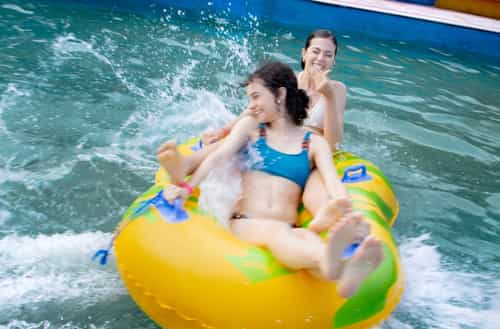
When you’re inside a water park, safety isn’t left to chance or general awareness. It works through a structured system where staff, ride design, and on-ground rules all work together to reduce risk while people focus on enjoying the experience. They follow this layered approach so movement, rides, and water zones stay controlled throughout the day.
1. Lifeguard Zones And Active Monitoring Systems
Water parks are divided into clearly marked zones, and lifeguards are assigned to specific areas rather than the entire park. This means each pool, slide exit, and activity zone has focused supervision instead of general oversight. Lifeguards don’t just watch; they actively track movement, especially in deeper pools and high-activity sections, to respond quickly if someone struggles or steps outside safe behaviour patterns.
2. Ride Restrictions (Height, Weight, Age)
Restrictions on rides are based on how rides physically behave. Height and weight limits ensure the body stays stable during speed, turns, or drops. Age restrictions are added where reaction time or swimming confidence matters. These rules are designed to reduce imbalance, slipping out of position, or unsafe impact during motion.
3. Water Filtration And Hygiene Maintenance Behind The Scenes
Water in pools and slides is continuously circulated through filtration systems to remove impurities and maintain clarity. Along with this, scheduled cleaning cycles are followed after operating hours to control hygiene levels. This system is important because large visitor flow means constant water movement, and maintenance ensures the environment stays safe for skin contact and prolonged use.
4. Emergency Response Setup And First-Aid Readiness
Most water parks maintain dedicated first-aid stations placed at accessible points across the property. Staff trained in basic emergency response are positioned near high-traffic areas so assistance can be reached quickly if needed. In addition, communication systems between lifeguards and control points help coordinate fast action in case of slips, fatigue, or water-related distress.
Once the internal systems make sense, the next practical step is knowing what clothing and essentials directly affect your safety during the visit.
What To Wear And Carry For A Safe Water Park Experience?
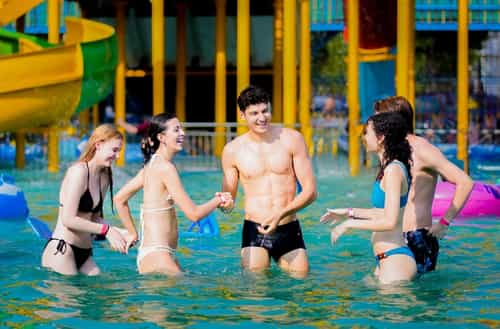
What you wear inside a water park directly affects how safe and comfortable your movement is on rides, steps, and wet surfaces. Dress codes are part of how ride safety and hygiene are maintained throughout the day.
1. Proper Swimwear Is Required For Ride Safety
Water rides require proper swimwear made of nylon or similar swim-safe material because it stays light even after getting wet. This helps you move freely on slides and inside pools without extra weight slowing you down. Fun World specifically allows 100% nylon swimwear, which is designed to dry faster and reduce resistance in water.
2. Cotton Clothes And Loose Outfits Increase Risk In Water Rides
Cotton, denim, sarees, uniforms, or any loose everyday clothing becomes heavy when soaked. This extra weight can make it harder to climb steps, exit pools, or maintain balance on wet surfaces. Loose fabric can also stick to the body and restrict movement during slides, which is why such outfits are not permitted in water ride zones.
3. Footwear Rules: Preventing Slips In Wet Zones
Water parks often require barefoot movement or specific approved footwear in designated areas. Regular slippers or sandals are avoided because they lose grip on wet tiles and increase slipping risk, especially near pools and ride exits where water flow is constant. Controlled footwear use helps maintain steady movement across wet zones.
4. Essentials To Carry For Safety, Not Just Comfort
A few basic items make the visit safer and more comfortable. A quick-dry towel helps avoid staying wet for too long between rides. A waterproof pouch protects phones and small valuables from splash zones. Extra dry clothes are useful after finishing water activities. Staying hydrated with a water bottle is also important since long hours in the sun and activity can cause fatigue.
With the right clothing sorted, it’s equally important to understand the everyday rules that quietly prevent most accidents inside the park.
Also Read: Beginner-Friendly Rides for Families & First-Timers | Easy Rides Kids Love
Essential Water Park Rules That Prevent Accidents
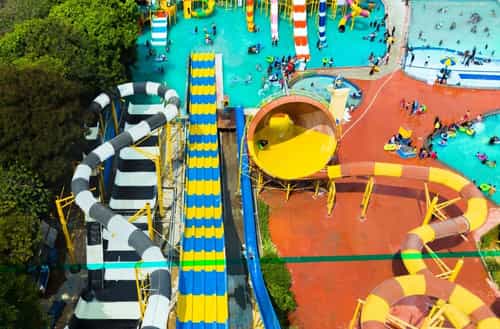
Most accidents don’t come from water rides themselves, but from small actions like rushing, ignoring instructions, or breaking entry discipline. These rules are designed to keep movement predictable and reduce risk in slippery, crowded areas. Once you understand how these rules work, the entire experience becomes more controlled and easier to navigate.
- Understanding ride instructions before entering attractions: Every ride is designed differently in terms of speed, drop intensity, seating position, and water force. Skipping instructions can lead to wrong posture during the ride, which increases imbalance, discomfort, or loss of control during motion.
- Running inside water park zones is unsafe: Wet tiles, splash zones, and constant water flow reduce grip even on textured flooring. Sudden movement or running between attractions increases the chance of slipping, especially near pool edges and ride exit points.
- Jewellery, watches, rings, and accessories are restricted: Hard objects can interfere with ride movement, get caught during water slides, or create discomfort under water pressure. Removing accessories helps maintain smooth motion and reduces the chance of minor injuries or scratches.
- Queue discipline and crowd control matter for safety: Ride entry areas are structured for controlled spacing. When visitors maintain order, it prevents crowd pressure at dispatch points and ensures smooth ride intervals without congestion or unsafe rushing.
After general rules, child safety needs a separate focus because kids require different attention, supervision, and movement awareness throughout the visit.
Child Safety in Water Parks: What Parents Must Know
When children are part of a water park visit, safety demands more attention. Even in controlled environments, water depth, crowd movement, and excitement levels can change quickly. That’s why parents need to stay actively involved throughout the visit rather than relying only on park systems or signage. They must also follow the following practices:
- Constant supervision is non-negotiable even in shallow pools: Even shallow water can become risky when children slip, lose balance, or get distracted. Crowds and splashing can reduce visibility, so continuous visual contact helps prevent situations where a child moves beyond safe reach.
- Life jackets and non-swimmer safety support systems: Life jackets are not just for deep pools; they help stabilise children who are still learning water confidence. Many parks provide them in designated areas, especially where water depth or wave movement increases unpredictability.
- Safe vs thrill zones: how to guide kids correctly: Not all attractions are designed for all age groups. Calm pools and family zones are better suited for younger children, while high-speed slides or wave areas require stronger confidence and physical readiness. Guiding kids based on comfort level reduces fear and panic inside the park.
- Crowd awareness tips every parent should follow: Busy areas near rides and pools can get visually overwhelming for children. Keeping them close during movement between attractions and avoiding crowded entry points helps reduce confusion, separation risk, and accidental bumping in high-traffic zones.
Once child safety is clear, we can explore how places like Fun World Bangalore rely on defined safety rules and on-ground monitoring so visitors can focus on the experience without unnecessary confusion or risk.
Fun World Water Park Rules You Should Know Before Entering
Fun World, located at the heart of Bangalore, takes care of how every visitor moves through the park from entry to exit. The safety system is built into every part of your visit, starting from what you wear, how you enter water zones, and how you move between rides. Safety is enforced through clear entry rules, controlled ride access, and strict clothing guidelines so that every visitor moves safely across water areas without interference, congestion, or unnecessary risk buildup.
Here’s what you need to follow inside the water park to ensure a safe and smooth experience:
- Basic visitor rules: Every guest must follow hygiene and safety rules before entering water areas. Only swimwear made of nylon or polyester is allowed because it does not clog filtration systems and supports smooth water circulation. Cotton and denim clothing are not permitted as they interfere with water systems. An adult must accompany children under 12 years, and running near pools or pushing others is strictly prohibited. Lifeguards stationed at pools have the final authority on safety decisions.
- Dress code and personal storage: Visitors without proper swimwear can rent or purchase approved swimwear inside the park. Lockers are available near changing areas on a refundable deposit basis to safely store belongings before entering water zones. Waterproof phone pouches and ID bands can also be purchased from kiosks to protect valuables during water activities.
- Food and beverage policy: Outside food and beverages are not allowed inside the water park to maintain hygiene and cleanliness in shared spaces. The park offers food stalls with South Indian meals, fast food, and cold drinks. Sealed water bottles are allowed, but glass containers and alcohol are strictly prohibited. Waste disposal bins are placed across food areas to maintain cleanliness.
- Ride safety and restrictions: Every ride has clearly displayed height and age limits for safe participation. High-intensity rides such as Cyclone and Boomerang require a minimum height of 120 cm, while family rides like Lazy River allow entry under adult supervision. Riders must wait for the lifeguard's signal before starting. All rides are inspected daily before opening and monitored throughout the day for safety checks.
- Seasonal and crowd management tips: Peak crowd season is usually between March and May, so early arrival helps avoid long queues. Online pre-booking is recommended for faster entry. Special discount days may apply for different visitor groups, helping distribute crowd flow. Senior visitors can use designated calm seating areas near low-activity zones for comfort.
- Safety certification and compliance: The park follows local regulatory safety standards for amusement and water parks. Regular audits are conducted on rides and water systems to ensure operational safety and compliance throughout the year.
Now that rules and systems are clear, let’s look at how a full-day visit actually flows when everything is followed correctly.
Also Read: Sanitisation Practices Fun World: What Makes It Safe in 2026
What A Safe Full-Day At Fun World Water Park Visit Looks Like?

A safe day at a water park is about how you move through the entire experience from entry to exit. At Fun World Bangalore, the visit is structured so guests follow a natural flow that reduces risk, manages crowd movement, and keeps energy levels steady throughout the day. When the day is paced correctly, everything feels smoother and more controlled.
1. Entry Process, Lockers And First Safety Checks
Visitors begin by changing into approved swimwear and storing all valuables in lockers near changing zones. This reduces carrying risk inside wet areas and ensures only permitted items enter water zones, keeping movement easier and safer throughout the park experience.
2. Best Sequence Of Rides For A Safe And Balanced Experience
Start with slower family pools or gentle water rides before moving to high-speed slides. This gradual approach helps the body adjust to water pressure and motion, reduces shock from sudden thrill rides, and keeps energy levels steady for longer enjoyment.
3. Hydration And Breaks Matter More Than People Think
Continuous exposure to heat, water, and movement can drain energy faster than expected. Taking short breaks between rides and drinking water regularly helps maintain stamina, prevents dizziness, and keeps visitors comfortable during long hours spent across different water attractions.
4. Managing Fatigue And Safe Exit Planning
Instead of jumping between rides continuously, spacing out activities helps avoid physical exhaustion. Listening to your body, resting when needed, and planning an early exit window ensures the experience stays enjoyable without ending the day feeling drained or overwhelmed.
5. Knowing How Long a Safe Visit Actually Takes
A well-paced Fun World visit usually takes around four to six hours, depending on crowd levels and ride choices. Families who prefer a relaxed experience can stretch it into a full day by adding breaks between rides or visiting the amusement park for high-thrill dry rides, included in the same package.
A safe day at Fun World is really about pacing yourself right from entry to exit, so nothing feels rushed or overwhelming at any point.
Conclusion
A water park visit feels fun and effortless on the surface, but the experience only stays that way when safety is treated as part of the plan. The real difference between a smooth day and a stressful one comes down to following basic rules, pacing the visit, and staying mindful of how children and crowded spaces are managed throughout the day.
At Fun World, safety is not left to chance. From strict swimwear guidelines and ride restrictions to lifeguard supervision and controlled movement across wet zones, the entire setup is designed to keep visitors protected. They can also enjoy the full range of attractions without unnecessary risk.
If you’re planning a visit to Fun World, don’t leave it to the last minute. Book your tickets in advance, follow the on-ground instructions, and experience a full day of water rides and family time with the right balance of fun and safety.
FAQs
1. Is swimwear compulsory in Bangalore water parks, and what type is allowed?
Yes, proper swimwear is mandatory in water parks. At Fun World Bangalore, only nylon or polyester swimwear is allowed in pools and water rides because it stays light in water and supports safe movement.
2. What are the most common mistakes that lead to unsafe situations in water parks?
Most safety issues happen when visitors ignore basic instructions such as running in wet zones, skipping ride guidelines, or not supervising children closely. Overcrowding near rides, using restricted accessories, and underestimating water depth also increase risk. These are preventable mistakes when basic park rules are followed.
3. Can outside food and drinks be carried inside the Bangalore water parks?
No, outside food and beverages are generally not allowed inside water parks. This helps maintain hygiene and prevents contamination in shared dining spaces. Visitors are usually allowed sealed drinking water bottles, while food must be purchased from inside park outlets.
4. What safety measures are followed at major water parks like Fun World?
Water parks follow structured safety systems including lifeguard monitoring, ride-based height and age restrictions, controlled entry to attractions, and mandatory swimwear rules. The park also monitors chlorine levels throughout the day. Regular ride inspections, designated safety zones, and on-ground staff supervision help manage crowd flow and reduce risk across high-activity water areas.
More To Read

CORPORATE| July 27, 2024
Places to Visit Near Bangalore Within 50 Kms
Explore the best places to visit within 50 kms of Bangalore! Perfect for short trips, find scenic spots and local attractions just a quick drive away.

CORPORATE| July 27, 2024
Places to Visit Near Bangalore for 2 Days
Escape the city for a weekend! Discover the best places to visit near Bangalore for 2 days, with exciting activities and relaxing retreats.
CORPORATE| October 26, 2024
Dress Code for Funworld BLR: Safety and Hygiene!
At FunworldBLR, your safety and hygiene are our top priorities. To ensure an enjoyable experience for everyone, we follow internationally accepted standards for our dress code. Here’s everything you need to know before you visit!
CORPORATE| July 20, 2024
Amusement Parks in Bangalore – Top Attractions to Visit
Explore the top amusement parks in Bangalore! Discover thrilling rides, fun activities, and must-visit attractions for a day filled with excitement and joy.