Amusement Park Safety Tips: A Practical Guide for Families
By Anurag Kamboj, Writer, Fun World Bengaluru
Updated
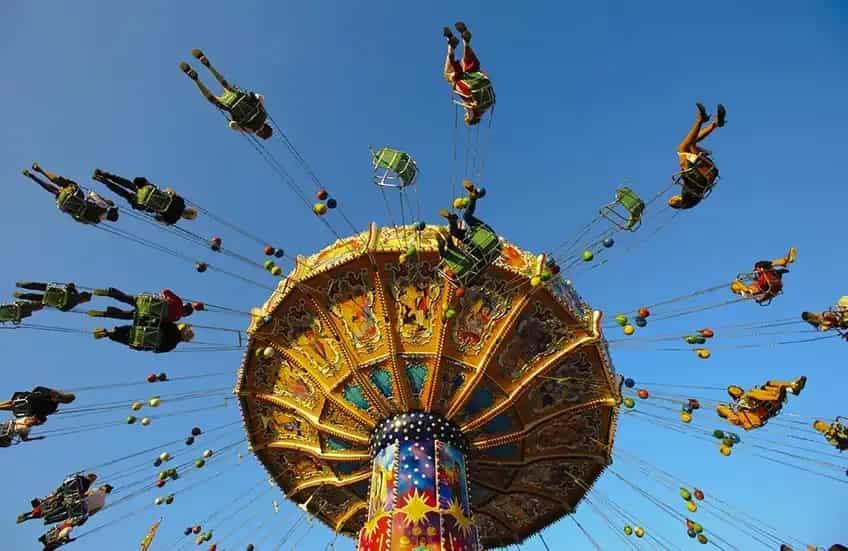
A safe amusement park day starts before anyone joins the first ride queue. Visitors move between fast rides, crowded walkways, food stops and water attractions for several hours. Heat, fatigue, loose belongings and ignored ride restrictions can turn small mistakes into genuine safety problems.
Industry guidance treats safety as a shared responsibility. Parks maintain rides, train operators and enforce restrictions, while visitors must follow posted instructions and use restraints correctly. These amusement park safety tips explain what to check before arriving, how to behave on rides and how parents can plan family safety at amusement parks without making the day feel restrictive.

FUN5 - Buy 3 GET 2 FREE!

Adult Ticket - Fun World Bengaluru

Fun Wednesday – Buy 1 Get 1 Free Tickets
Why Amusement Park Safety Needs Active Planning
That is why amusement park rules should never be treated as suggestions. Height, weight and health restrictions relate to the forces and restraint systems of individual rides. A child who misses a height requirement should not ride simply because an adult is willing to accompany them.
Before You Leave Home
Check Ride Restrictions Before Promising Children a Ride
Children often choose their favourite attraction before reaching the park. Check available height, age and health restrictions first. This avoids disappointment at the boarding gate and prevents adults from pressuring operators to make exceptions.
Dress for Movement, Heat and Ride Restraints
Choose fitted, comfortable clothes that cannot trail into ride equipment. Scarves, long belts and loose accessories can become hazards around moving machinery. Secure footwear is also easier to manage through long walking days and busy ride platforms.
At Fun World, staff may restrict loose clothing, unsecured footwear and dangling belongings on rides. Water attractions have separate clothing requirements, so check the current park dress code before packing.
Plan for Sun, Water and Regular Breaks
IAAPA's water-park guidance also recommends regular fluids and sun protection. These basic theme park safety tips matter because fatigue can affect judgement, balance and how well visitors follow instructions later in the day.
Safety Rules at the Ride Queue and Boarding Area
Read Every Ride's Instructions
Do not assume two rides have the same restrictions. Read the sign at each attraction and listen to the operator's instructions. Check height, health and rider-position requirements before boarding.
Operators can refuse access when a rider does not meet the stated conditions. These amusement park rules protect riders because restraints and seating are designed for specific operating limits.
Secure Phones, Bags and Other Loose Items
Phones, cameras, sunglasses, hats and other loose objects can fall during fast movement. They may injure people below or interfere with safe rider positioning. Use a locker or follow the operator's storage instructions rather than holding an item throughout the ride.
Fun World's current safety information states that phones, cameras and recording devices are not permitted on rides. The park also provides lockers, which can make moving between attractions easier.
Never Interfere With the Restraint
A lap bar or harness may feel tight because it must keep the rider positioned during acceleration, turns or drops. Never loosen, lift or attempt to escape a restraint after an operator checks it.
If the restraint feels wrong, tell the operator before departure. IAAPA's amusement park guidelines advise riders to use all provided safety equipment and remain seated until instructed to exit.
Keep Your Body Inside the Ride
Hands, arms, legs and feet should remain inside the ride throughout the cycle. Do not stand, change seats or reach outside the vehicle for photographs.
Wait until the attraction stops completely before unfastening anything or leaving your seat. These simple theme park safety tips become especially important on rides with sudden direction changes.
Family Safety at Amusement Parks
Set a Meeting Point Before the Group Splits Up
Crowds can separate families quickly, especially near popular attractions and food areas. Pick one obvious meeting point soon after entering. Older children should know the location and which uniformed staff member to approach if they become separated.
Do Not Pressure a Nervous Child to Ride
Fear is not something to solve at the boarding gate. A frightened child may panic, struggle against a restraint or ignore instructions once the attraction starts.
IAAPA specifically advises adults not to force children onto rides they do not want to experience. Good family safety at amusement parks means choosing attractions that match both physical requirements and the child's confidence.
Keep Supervision Active Around Water
Water areas need closer supervision than dry ride zones. Non-swimmers and weak swimmers should use suitable flotation equipment when required. Children should also understand that lifeguards do not replace parental supervision.
At Fun World, water zones are monitored by lifeguards and life jackets are part of the safety system. Families should still follow staff instructions and stay within designated areas.
Moving Safely Around the Park
Slow Down in Wet and Crowded Areas
Not every park injury happens on a ride. Pool surrounds, changing rooms and water-attraction exits can remain slippery. Walk rather than run, use footwear with grip where permitted and pay attention to caution signs.
Know Where to Get Help
Locate first-aid points and guest-help areas early, particularly when visiting with children, older adults or someone with a medical condition. Tell staff promptly if a person feels faint, becomes injured or shows signs of heat stress.
Fun World lists first-aid support and monitored safety systems among its visitor facilities. Reporting a problem early is more useful than trying to continue the day until symptoms become harder to manage.
How Fun World Handles On-Ground Safety
Fun World's current safety information describes controlled ride access, staff monitoring and restrictions based on individual attractions. It also identifies lifeguards, life jackets and emergency points within water zones. Regular cleaning and water-quality monitoring form part of its broader operating system.
A Simple Safety Check Before Every Ride
Before boarding, take a few seconds to check four things. Confirm that the rider meets the restriction, belongings are secured, the restraint feels correct and everyone understands the operator's instructions. If any answer is uncertain, ask before the ride begins.
Conclusion
The best amusement park safety tips generally consist of making the right decisions at the right time; you should respect the ride limitations, secure your personal belongings, keep a reasonable pace during the day and ask the staff if anything is unclear. Once you have picked a park, check the Wonderla Bangalore ticket price vs Fun World to plan your budget.
For parents, ensuring family safety at amusement parks also involves providing active supervision and selecting rides that children actually feel they are ready to attempt. Ready to go? Book Fun World tickets online to skip the ticket counter. Together, clear rules set up by the amusement park and responsible visitor behaviour contribute to a safer day at the park.
FAQs About Amusement Park Safety Tips
What are the most important theme park safety tips for first-time visitors?
Read every ride's restrictions, secure loose belongings and follow operator instructions. Take regular water and rest breaks during long park days.
Why do amusement parks have height restrictions?
Height restrictions help ensure riders fit the seating and restraint system as intended. Operators should not make exceptions to posted requirements.
What amusement park guidelines should parents follow with young children?
Choose age-appropriate rides, maintain active supervision and agree on a meeting point. Never pressure a frightened child to board an attraction.
How can families stay safe on water attractions?
Supervise children closely and follow lifeguard instructions. Weak swimmers should use appropriate flotation equipment where required by the attraction.
What should I do if a ride restraint feels loose?
Tell the ride operator immediately and do not try to adjust or defeat the restraint yourself. Board only after staff confirm it is secure.
How does Fun World support family safety at amusement parks?
Fun World uses ride-access checks, trained staff, lifeguards and first-aid support. Visitors must also follow posted restrictions and staff instructions.
Also Read
Water Park Safety Precautions in Bangalore
Writer, Fun World Bengaluru
Anurag Kamboj writes the Fun World blog, covering rides, ticket offers, safety guidelines and practical tips for planning a family day out at Bengaluru's amusement and water park.
- Amusement parks
- Water parks
- Family days out in Bengaluru
More To Read
CORPORATE| July 27, 2024
24 Tourist Places Near Bangalore Within 50 Kms (2026)
Plan a day out with 24 tourist places near Bangalore within 50 kms, from waterfalls and hill treks to forts and temples, with distances and timings.

CORPORATE| July 27, 2024
20 Places to Visit Near Bangalore for 2 Days (2026)
Plan a 2-day trip from Bangalore with 20 places, from Coorg and Chikmagalur to Mysore and Nandi Hills, with distances, drive times and the best time to visit.
CORPORATE| October 26, 2024
Dress Code for Funworld BLR: Safety and Hygiene!
At FunworldBLR, your safety and hygiene are our top priorities. To ensure an enjoyable experience for everyone, we follow internationally accepted standards for our dress code. Here’s everything you need to know before you visit!
CORPORATE| July 20, 2024
Amusement Parks in Bangalore – Top Attractions to Visit
Explore the top amusement parks in Bangalore! Discover thrilling rides, fun activities, and must-visit attractions for a day filled with excitement and joy.